

Brahmatal to Wan Trek
Discover the Brahmatal to Wan Trek, a winter Himalayan adventure with frozen-lake magic, panoramic peaks and a small-group experience led by local experts.
Best Seasons
December to March
Pack Duration
5-7 Days
Difficulty Level
Easy
Pickup & Drop
From Rishikesh to Rihikesh
Total Distance
~ 20 Km
Highest Altitude
~ 3,621 m / 11,879 ft
Brahmatal Pass to Wan Trek
The Brahmatal to Wan Trek follows an ancient mountain path traditionally used by local shepherds to move between valleys and summer pastures. Long before modern trekking circuits existed, this was the true Brahmatal route: a natural crossing of the massif rather than a return loop.
Starting from Lohajung, the trail leads first to Bekaltal, a quiet forest lake hidden among oak and rhododendron trees. From there, we continue towards Brahmatal Lake, gradually gaining altitude as the landscape opens into alpine terrain. On the final day, we reach the highest point of the trek — a mountain pass, not just a viewpoint — before beginning the descent through the north face of the range.
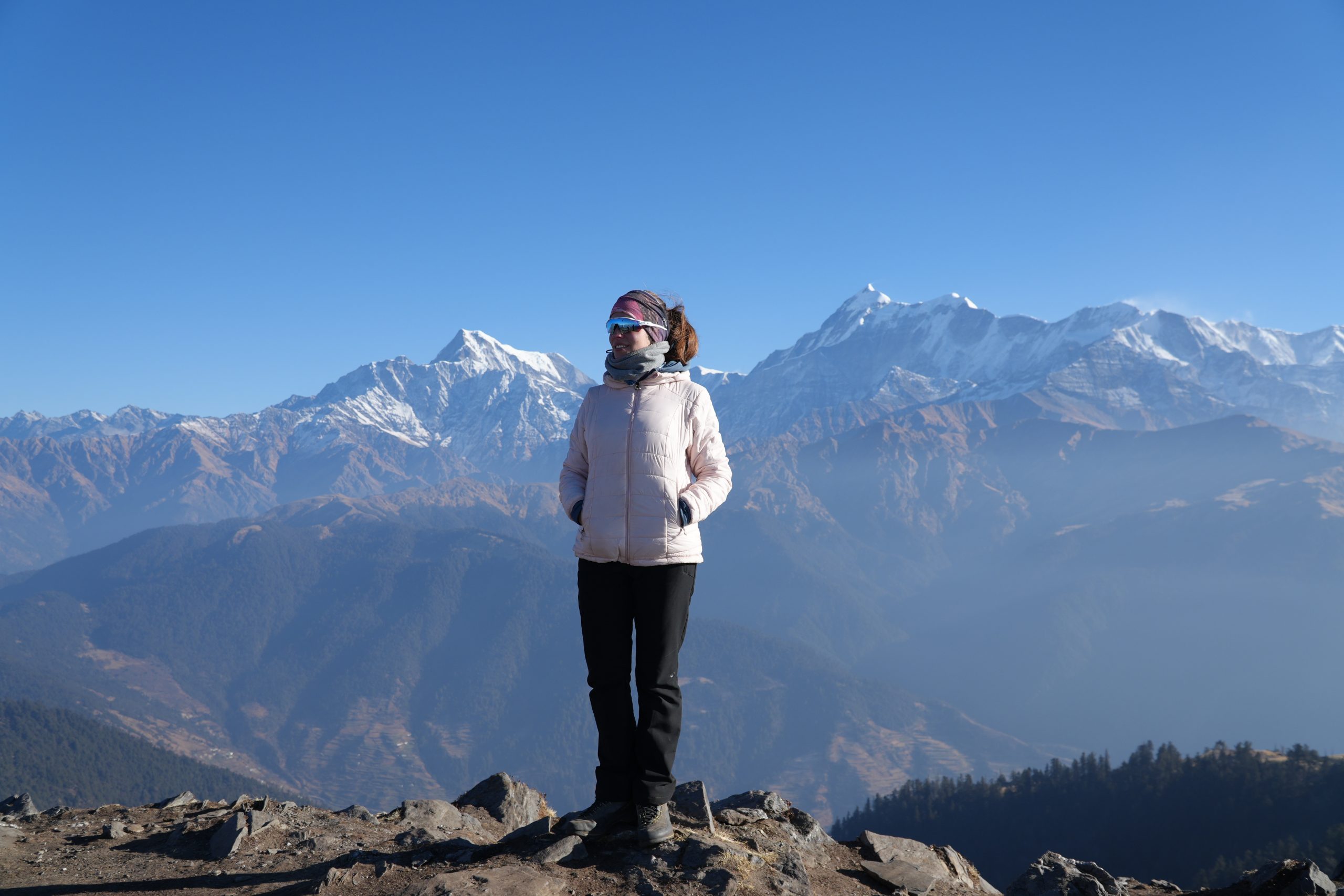
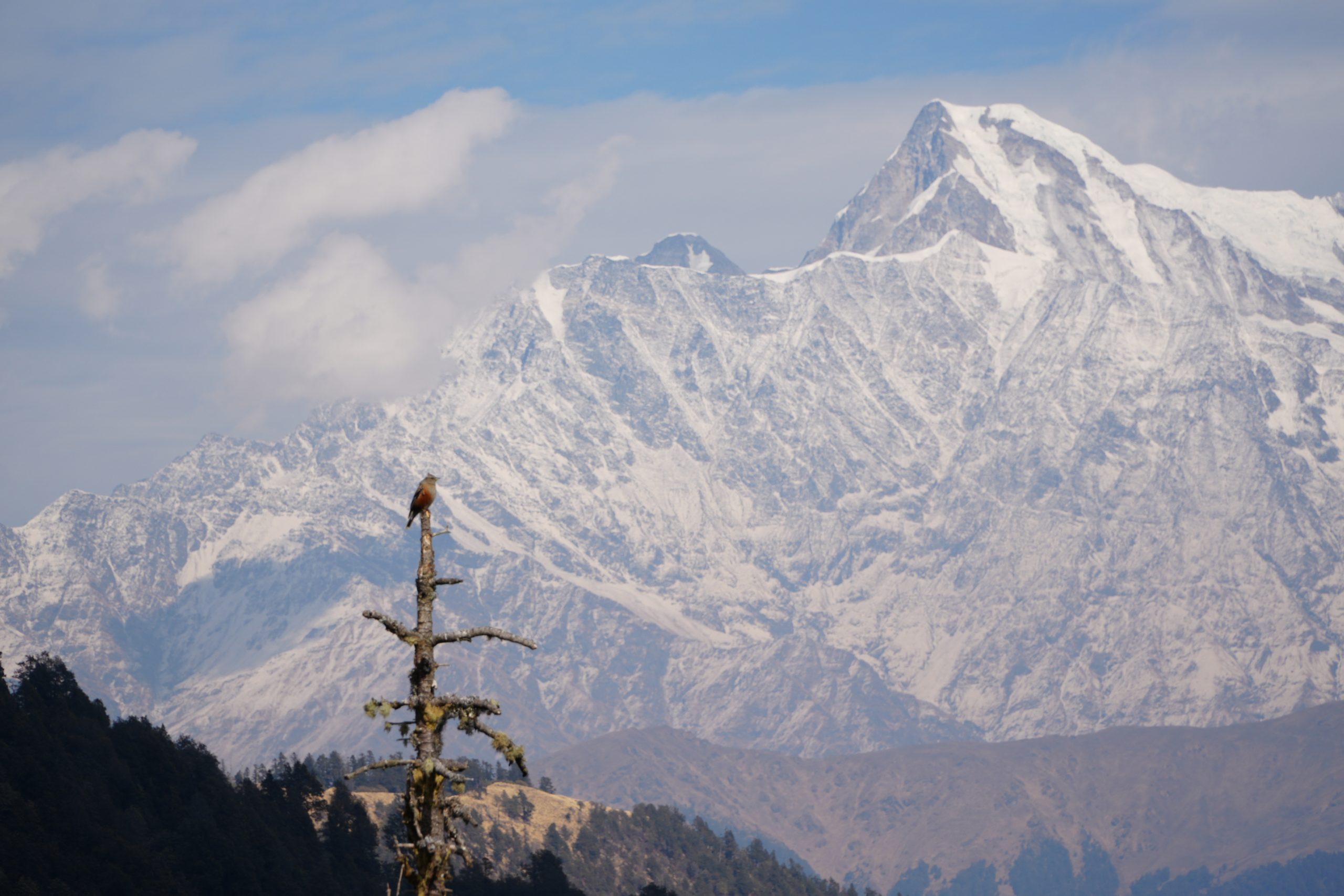
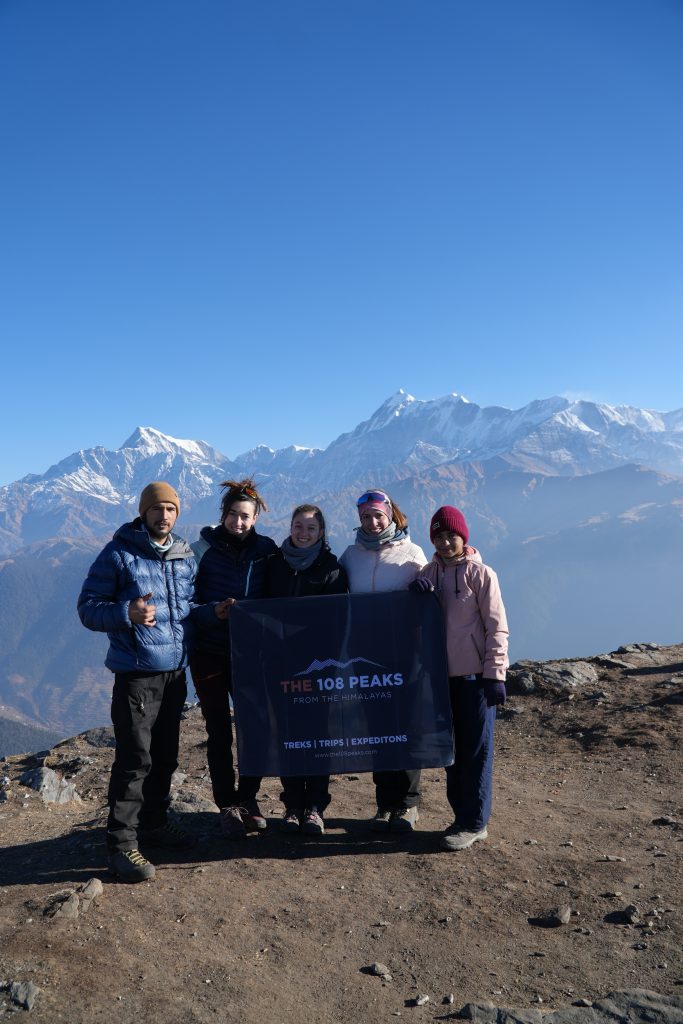
From this pass, the views stretch towards Mount Nanda Ghunti and Mount Trishul, two of the most iconic peaks of the Garhwal Himalaya. The descent towards Wan is long, varied and deeply scenic, crossing wide meadows and then entering dense forests of rhododendron and bamboo, a landscape rarely included in standard itineraries.
General Information about the trek
General information
Trek duration: 3 Days and 2 Nights
Total Distance: ~20 Km
Highest Altitude: ~3,621 m / 11,879 ft
Minimum altitude: ~2,350 m / 7,710 ft
Dificulty Level
An easy trek, perfect for beginners. It offers a gradual introduction to Himalayan trekking while providing amazing views, cultural experiences, and time to adapt to the altitude.
Group and Languages
Small groups (1–12). Customized treks.
Guides speak Hindi, English, Spanish, Catalan. Other languages on request.
Accomodation Style
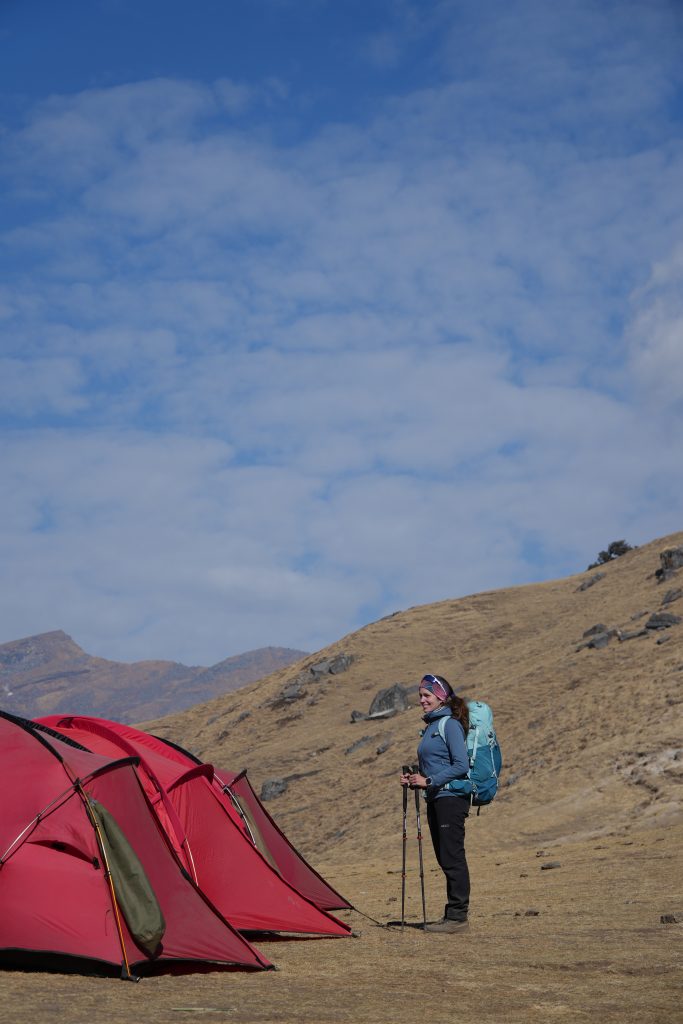
High-altitude camping: Sleep under the stars in tents during the trek, experiencing the unique Himalayan atmosphere.
The first and last nights in Lohajung are spent in a cozy guesthouse or homestay, giving a comfortable start and end to your adventure.
Best Seasons
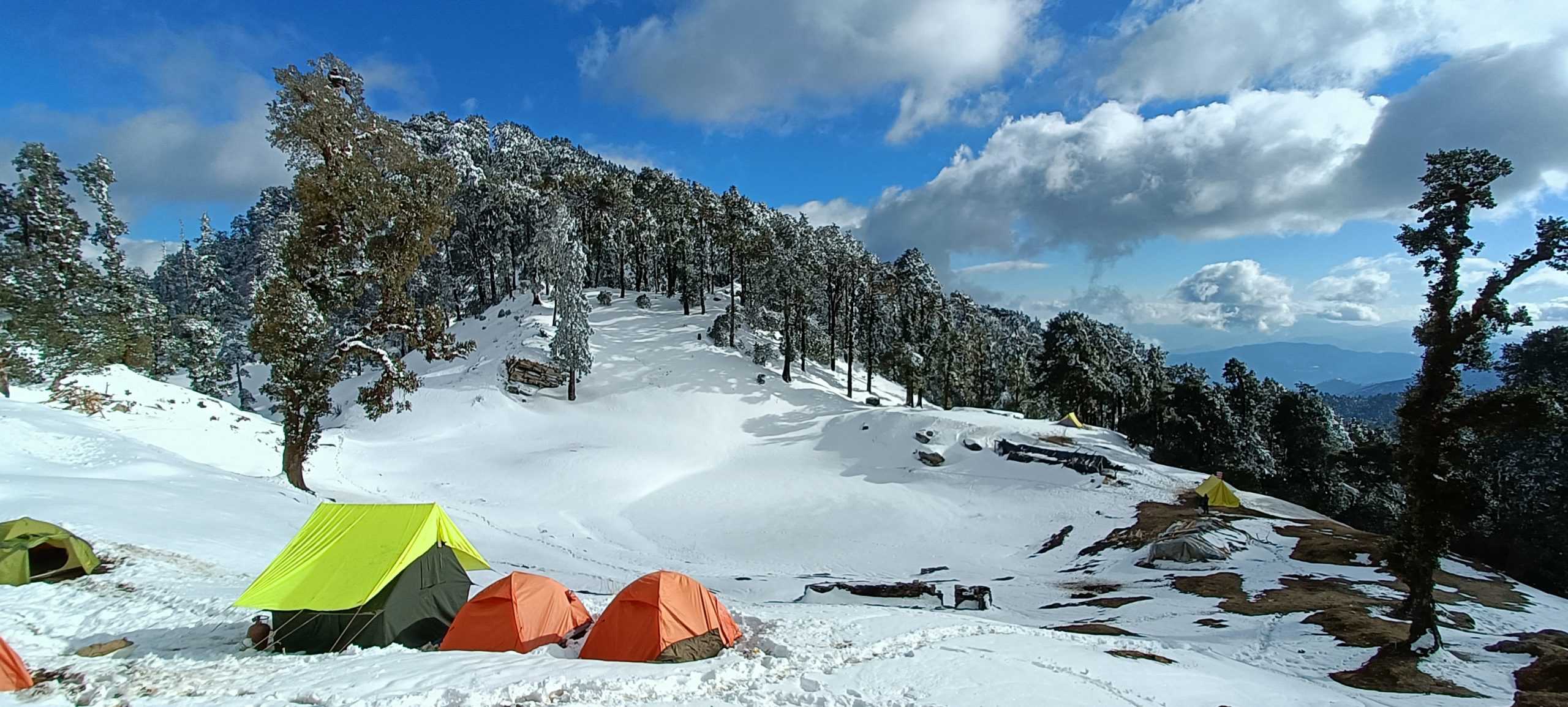
The best time for the Brahmatal Trek is winter (December–March), when the trail is covered in snow and the landscape is magical. Spring (April–June) and autumn (September–November) are also possible, offering green meadows and clear skies, while monsoon season is not recommended.
Temperatures
Winter (December–March):
Daytime: 2 °C to 10 °C
Nighttime: -5 °C to -10 °C (and occasionally lower during snowfall)
Post-monsoon (September–November):
Daytime: 8 °C to 16 °C
Nighttime: 0 °C to 5 °C
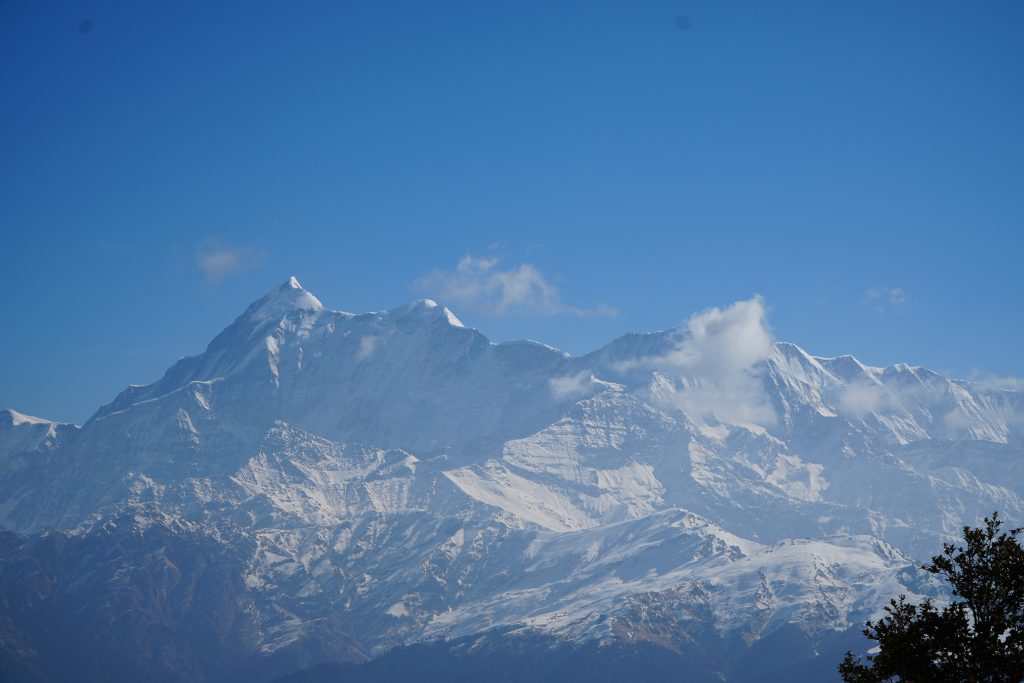
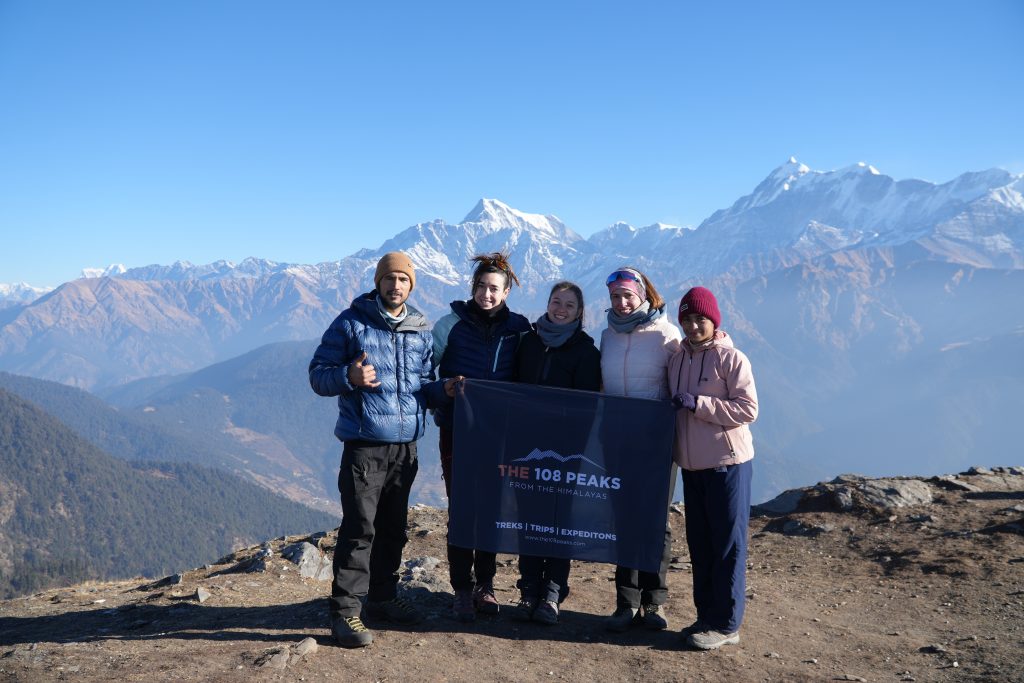
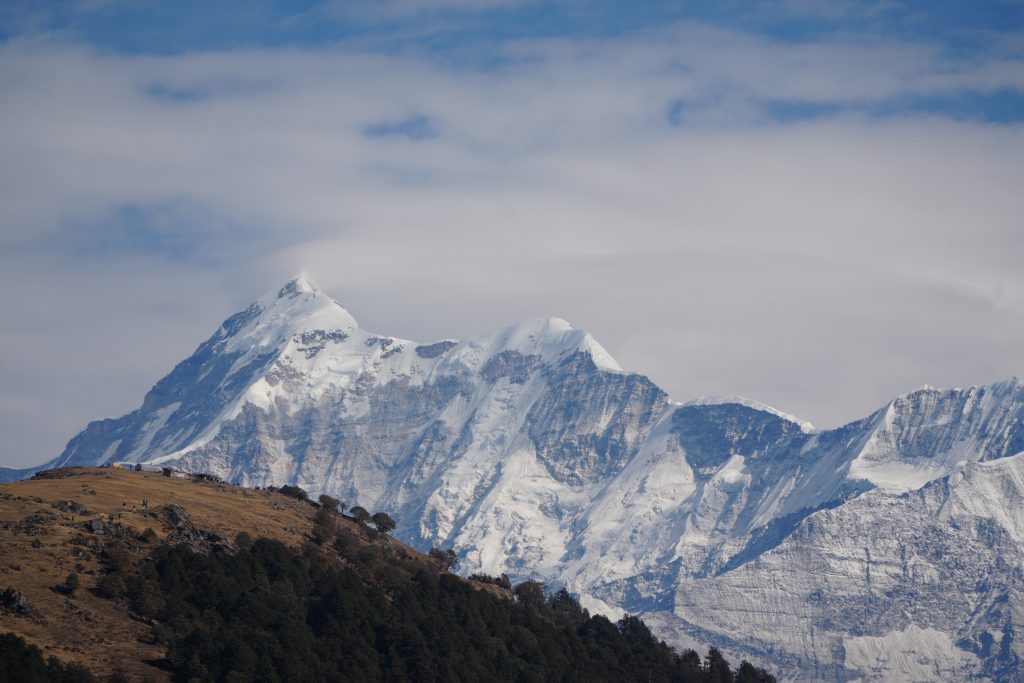
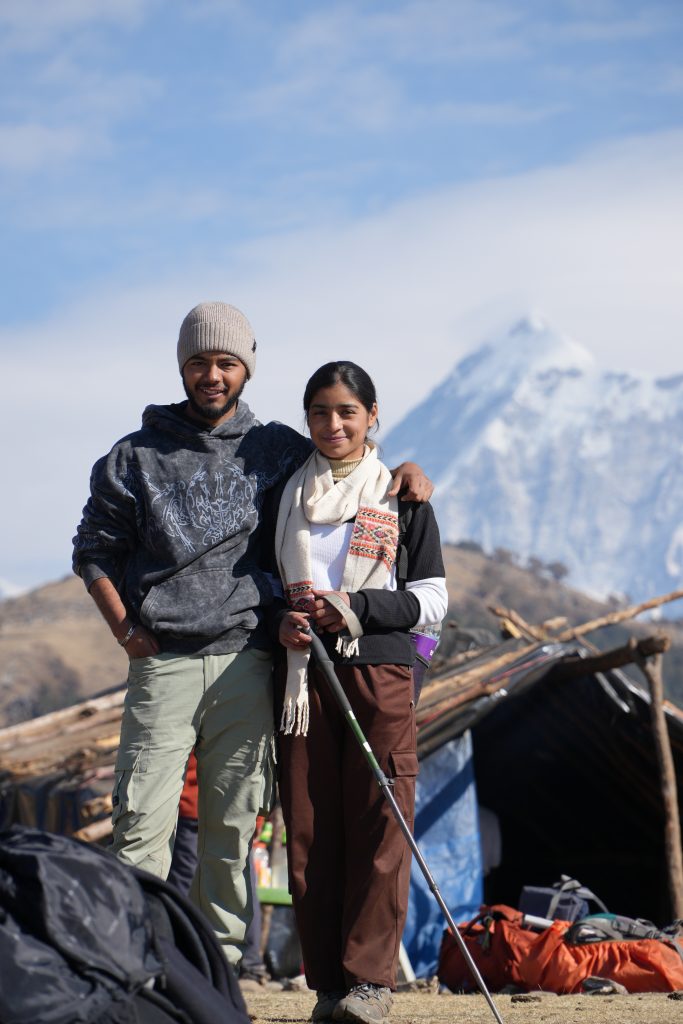
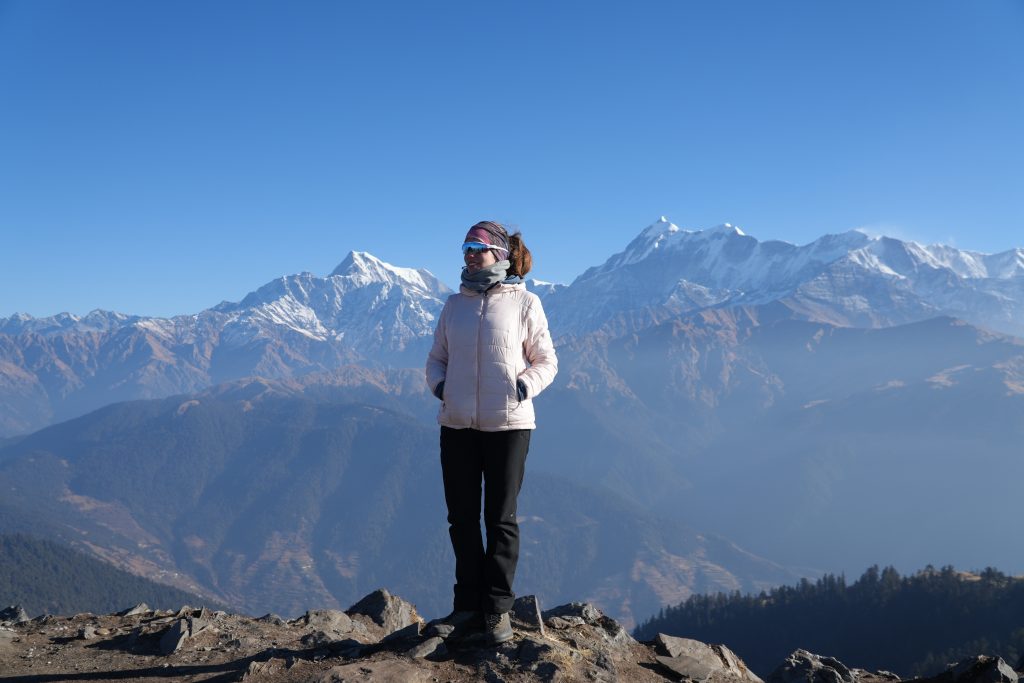
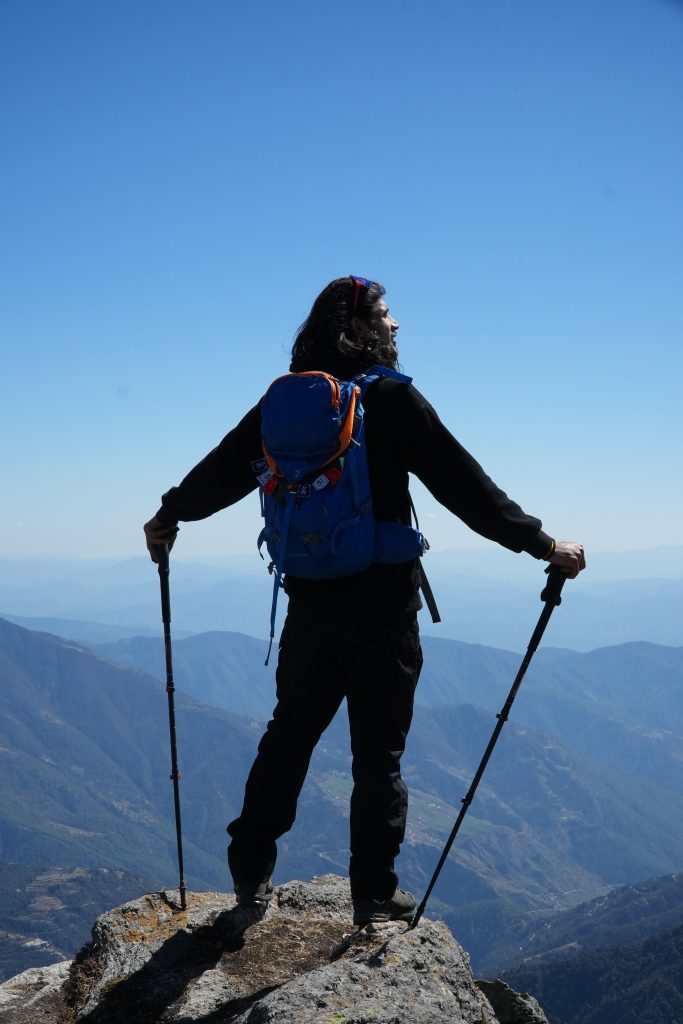
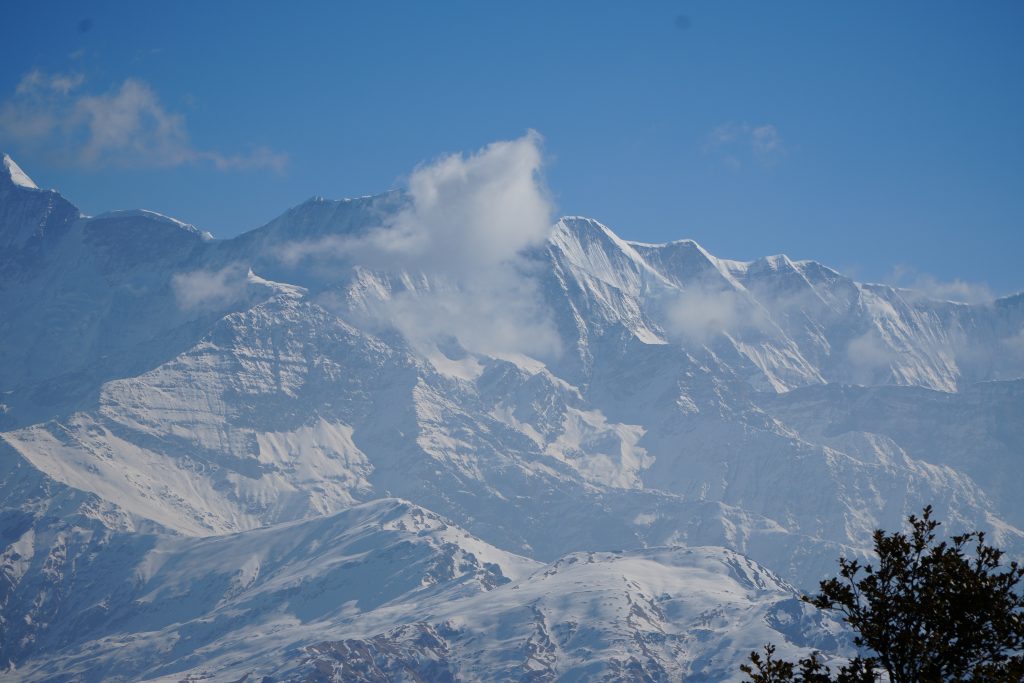
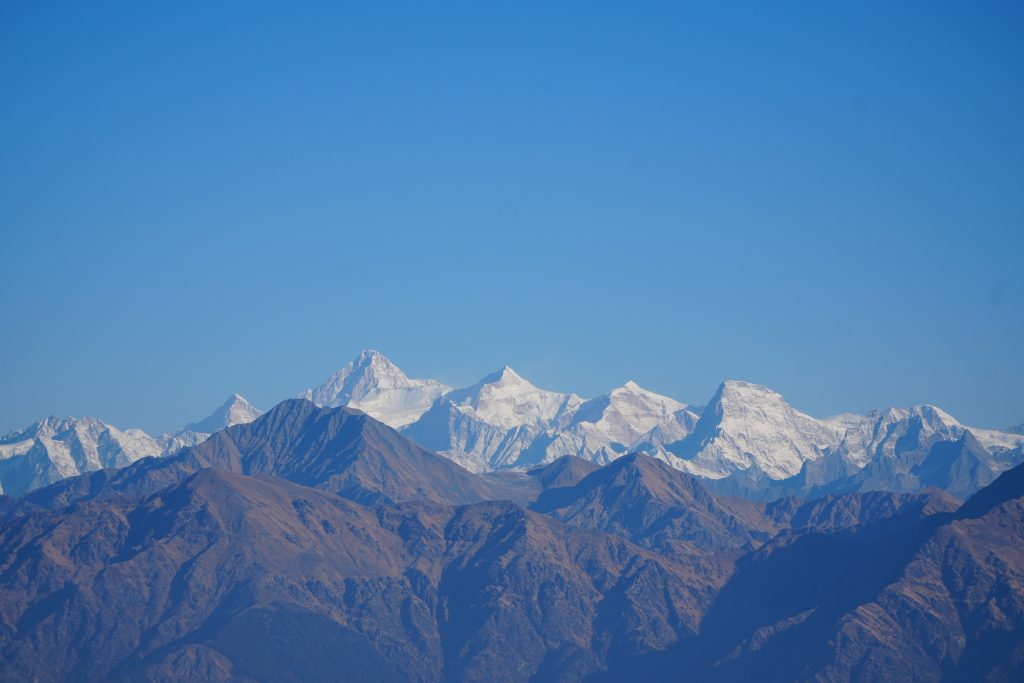
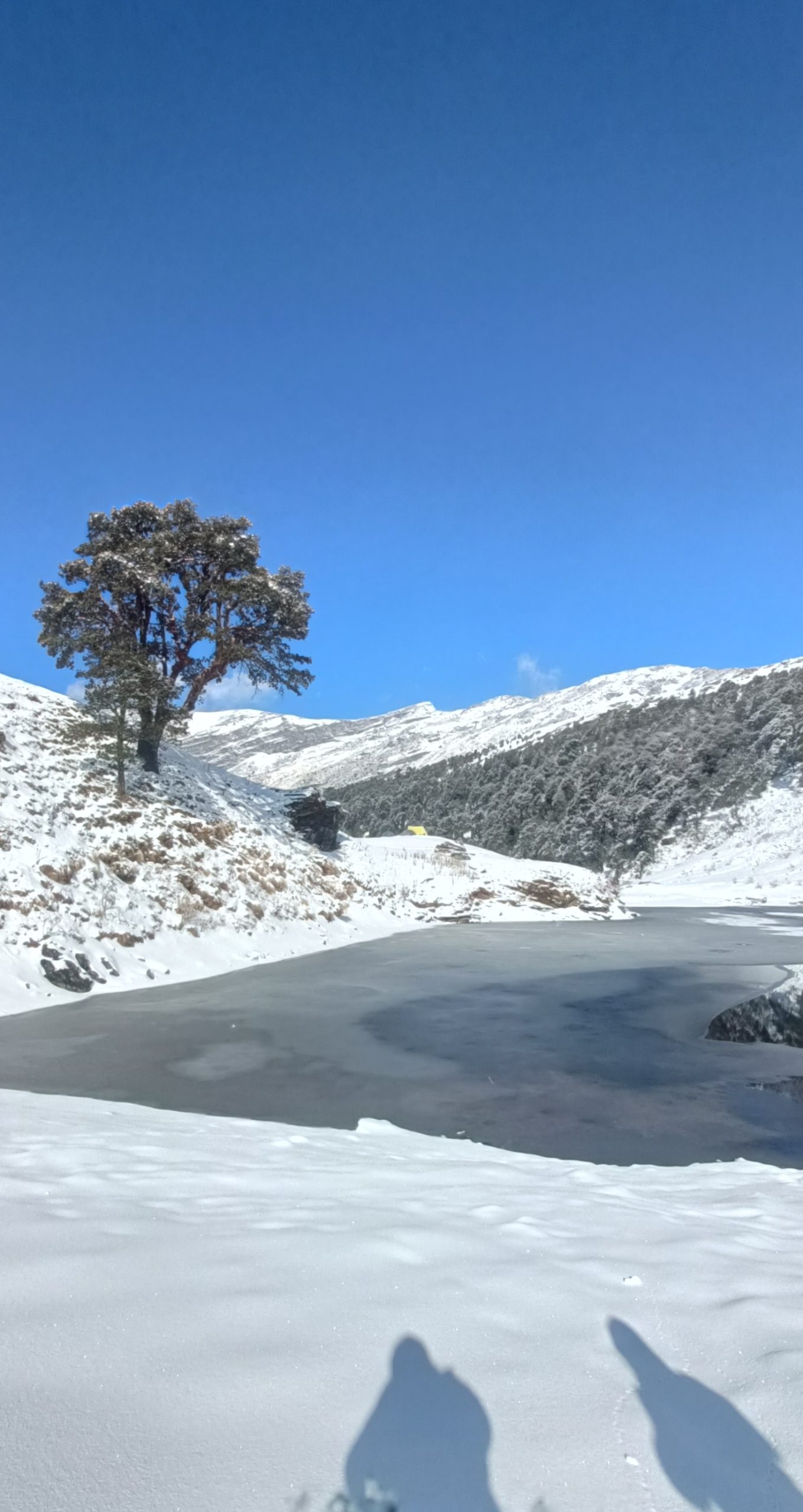
Reach the iconic Brahmatal Lake, often frozen in winter, surrounded by snow-covered ridges and breathtaking views of Mount Trishul (7,120m) and Nanda Ghunti (6,309m).
Walk through silent oak and rhododendron forests, ascend to wide open snowfields, and enjoy an intimate, off-the-beaten-path Himalayan winter experience.
Spend nights in cozy alpine camps, surrounded by silence, crisp mountain air and clear night skies. Experience the magic of winter camping in the Himalayas, supported by a skilled local team that prepares warm meals and ensures comfort and safety.
Trek Itinerary
Pictures Gallery
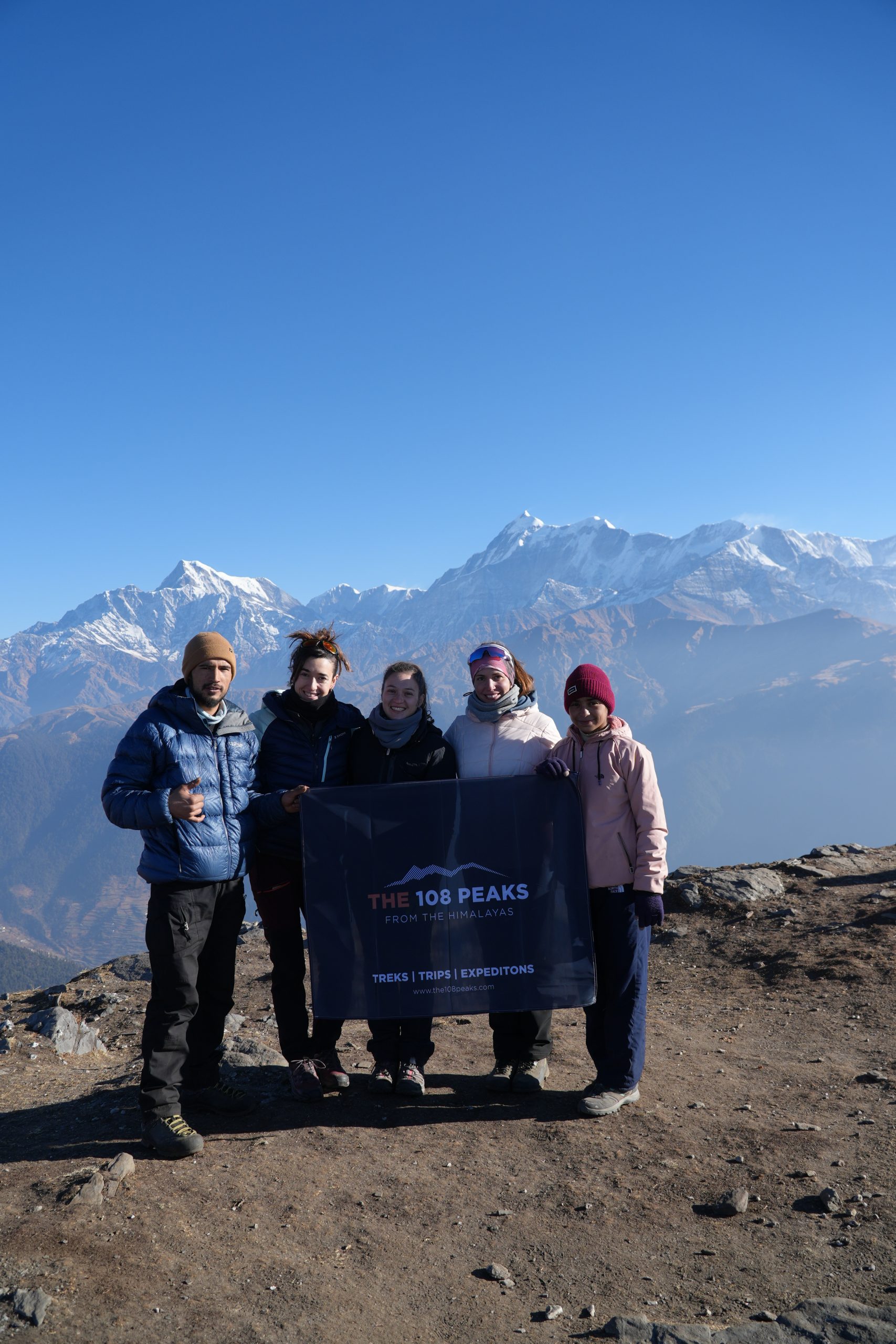



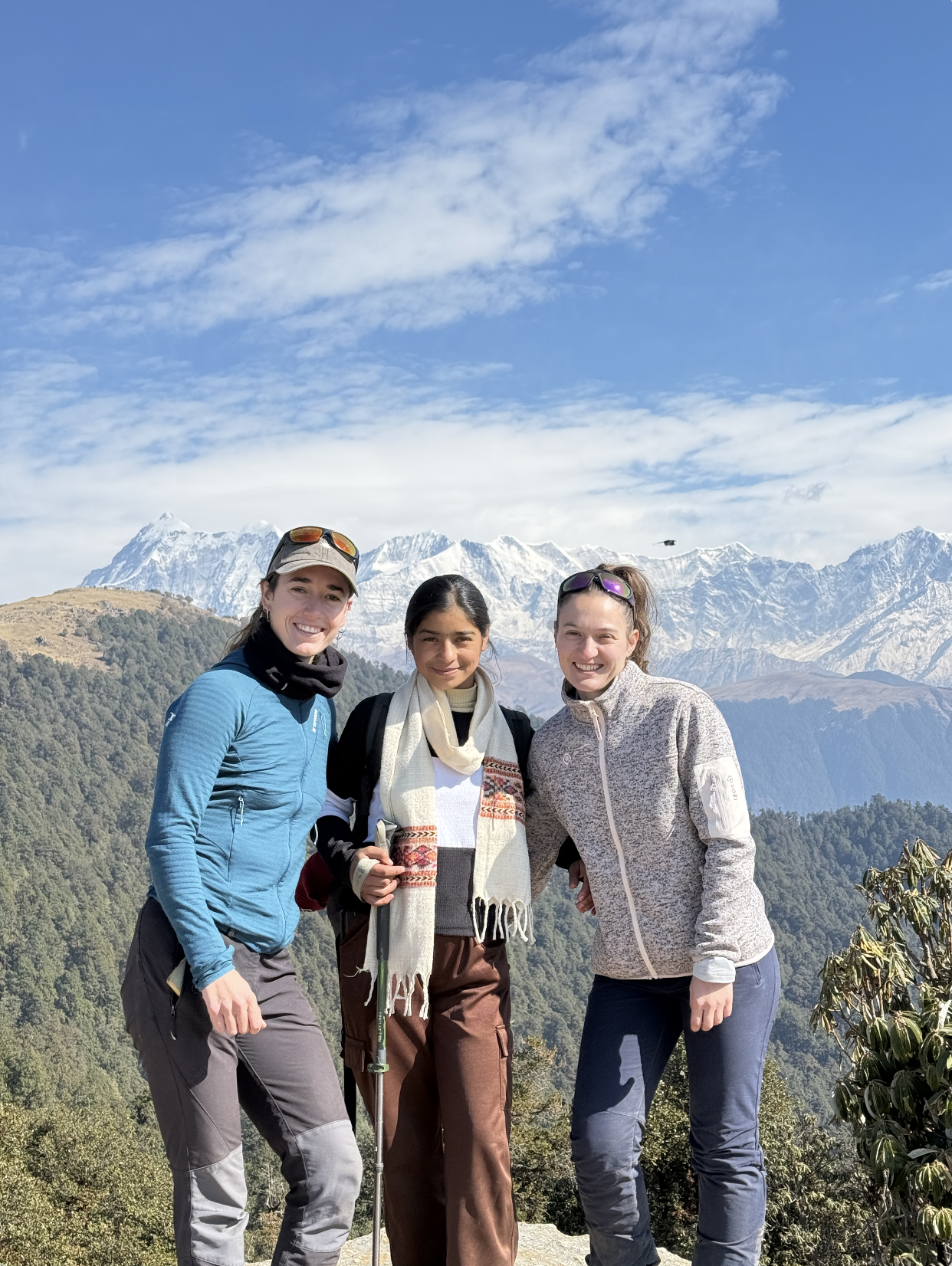
THE TEAM
Why trek with The 108 Peaks?
Our treks are designed to go beyond the summit, focusing on people, culture and a respectful way of experiencing the Himalayas.
Small Groups
We work with small groups of up to twelve people to ensure safety, personal attention and a deeper connection with the mountains. A smaller group allows a natural pace, less impact on the environment and a more meaningful trekking experience.
Cultural Immersion
We create moments to live the Himalayas like locals do. Sharing chai and chapati, visiting traditional mud houses, spending time in villages and experiencing daily mountain life beyond the trekking trail.
Fair Pay & Respect
Everyone involved in our treks receives fair and respectful wages. Guides, cooks, mule handlers and support teams are treated with dignity, supporting ethical tourism and sustainable livelihoods in Himalayan communities.
Professional Guides
Our guides combine strong technical knowledge with deep local experience and genuine care for people and mountains. You are supported at every step, with safety, acclimatization and the journey always coming first.
Uttarakhand, Devhoomi
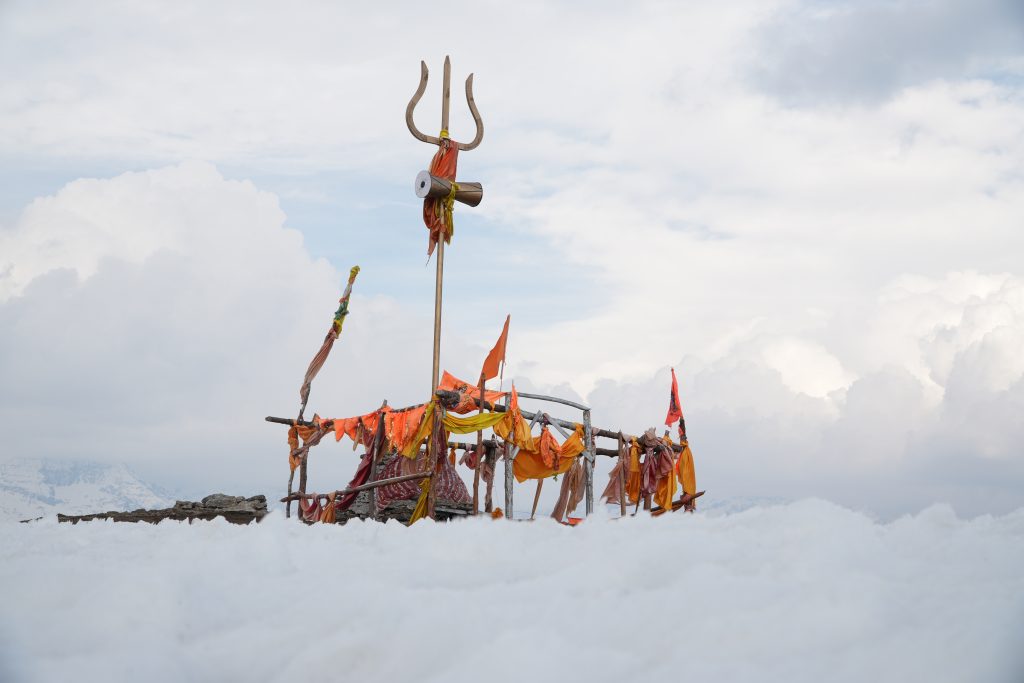
In Uttarakhand, in the Indian Himalayas, the mountains are lived as a sacred space. Known as Devbhoomi, the Land of the Gods, this region is where the river Ganges is born, ancient temples stand in remote locations, and daily life remains closely tied to nature and tradition. Walking through these valleys means entering a quieter, less-travelled part of India, where silence, altitude and landscape shape the experience.
Lohajung, the starting point of the trek, is the last inhabited village before the high Himalayas. Beyond it, there are only alpine meadows, seasonal grazing lands and remote trails leading deeper into the massif. Local languages like Garhwali and a slower rhythm of life reflect an ancient mountain culture, standing at the natural frontier between rural India and the great Himalayan ranges beyond.

A Winter Alpine Gem
The Brahmatal Trek is one of the most scenic and immersive treks in the Indian Himalayas. Over seven days and six nights, we journey through oak and rhododendron forests, wide snowfields, and high-altitude meadows, reaching Brahmatal Lake at around 3,230 meters (10,597 ft). These alpine landscapes open up to spectacular panoramic views of Himalayan giants such as Mt. Trishul (7,120 m) and Nanda Ghunti (6,309 m).
Beyond their beauty, the Brahmatal Lake and surrounding meadows offer a sense of tranquility and wilderness. This area remains largely untouched, allowing trekkers to immerse themselves in pristine Himalayan nature, far from crowds and mass tourism. Walking here is a journey into the heart of the mountains, where serenity, adventure, and natural wonder merge seamlessly.
During the trek, we stay in tents at scenic campsites, enjoy freshly prepared meals, and follow the natural rhythm of mountain life. There is no phone network, no Wi-Fi, no distractions, only the sound of the wind, the crunch of snow underfoot, and the silence of the high Himalayas. This simplicity becomes one of the most meaningful aspects of the journey: a chance to disconnect, reconnect with yourself and the group, and experience the raw essence of the Himalayas.
Weight / equipment
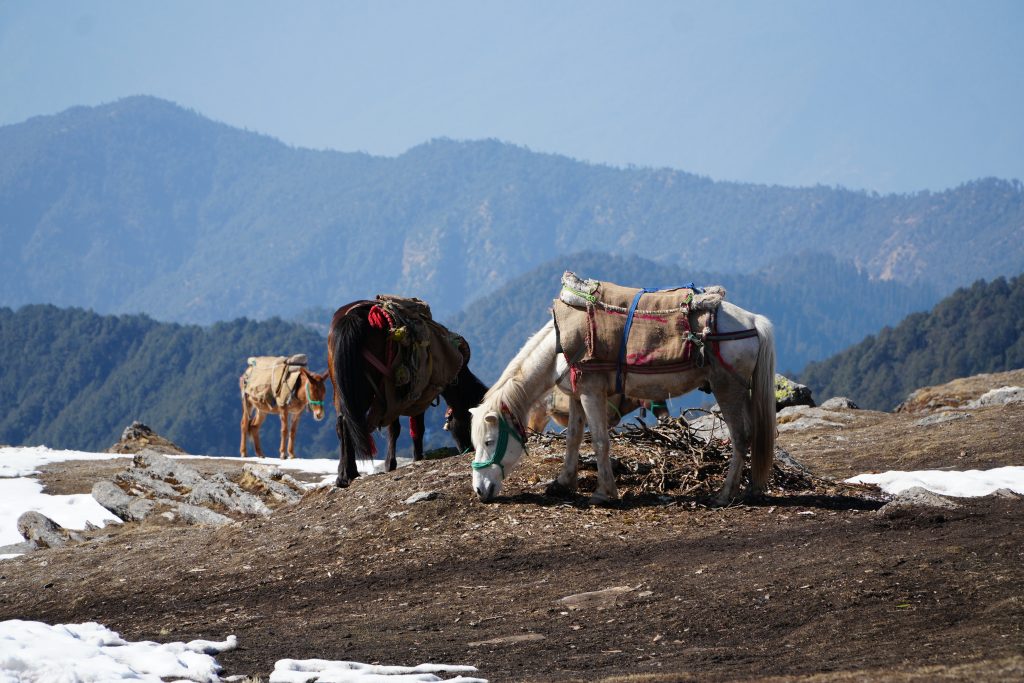
During the trek, most of the equipment will be transported by mules: camping tents, sleeping bags, cooking utensils, food, and shared gear.
Participants may also choose to hand over one personal bag (clothing, toiletries, etc.) to be carried by the mules from one campsite to the next. This optional service is available at an additional cost, to be paid locally.
As a result, you will only need to walk with a small daypack containing what you need for the day: some fruit or nuts, a rain jacket, a warm layer… and most importantly, your enthusiasm. This logistics setup allows us to hike lighter and fully enjoy the journey.
Am I ready?
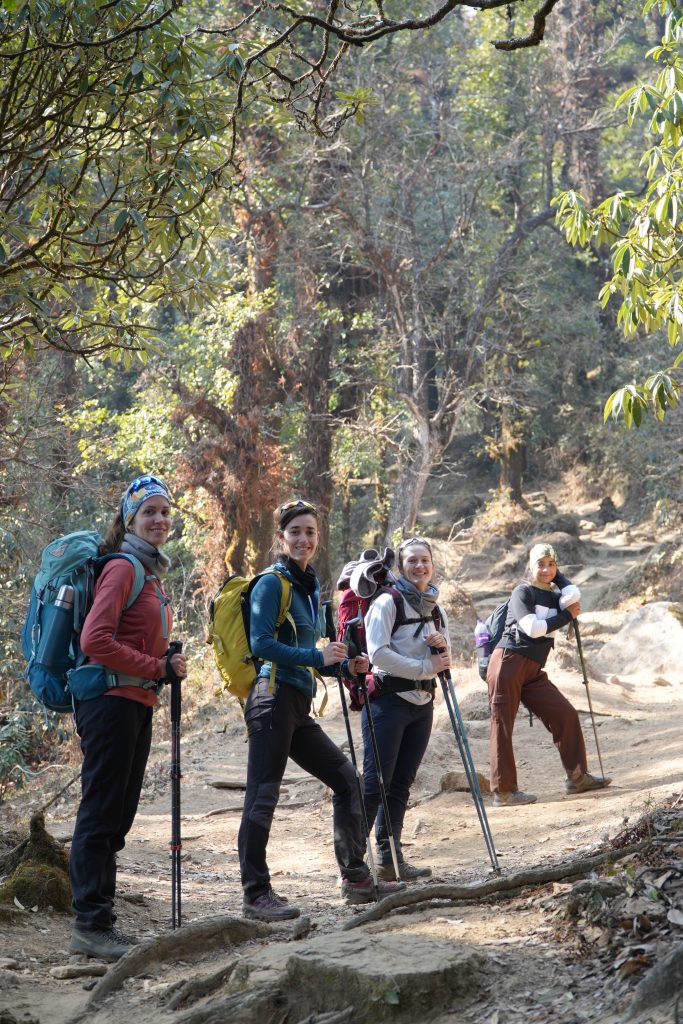
You don’t need to be an athlete or have previous high-altitude experience to complete the Brahmatal to Wan Trek, but a good level of fitness and genuine motivation are essential. Over 3 days and 20 km, you’ll trek between 2 and 4 hours a day, walking through oak and rhododendron forests, snow-covered meadows, and moderate mountain terrain.
This is a beginner-friendly Himalayan trek, but it still involves steady elevation gain, reaching heights of up to 3,621 meters (11,879 ft). If you enjoy hiking, are comfortable on uneven trails, and can manage a light backpack for several hours, you’re ready for the experience.
What matters most isn’t speed, it’s your attitude. Approaching the trek with presence, respect for nature, and awareness of your own pace will make the journey smoother and far more meaningful. And you won’t be alone: our local guides will accompany you every step, ensuring safety, confidence, and peace of mind along the trail.


Accommodation
Accommodation in Lohajung, our base village, will be in a local homestay or guesthouse where we will stay on the first and last night of the trip. Rooms are shared (2 or 4 people), offering a simple and welcoming mountain-home atmosphere. Private rooms are available on request for an additional cost. Facilities are basic: there is no Wi-Fi, and although electricity and running water are available, they may be limited at times, as is common in remote Himalayan villages. This is part of the experience and an opportunity to slow down and connect with local life.
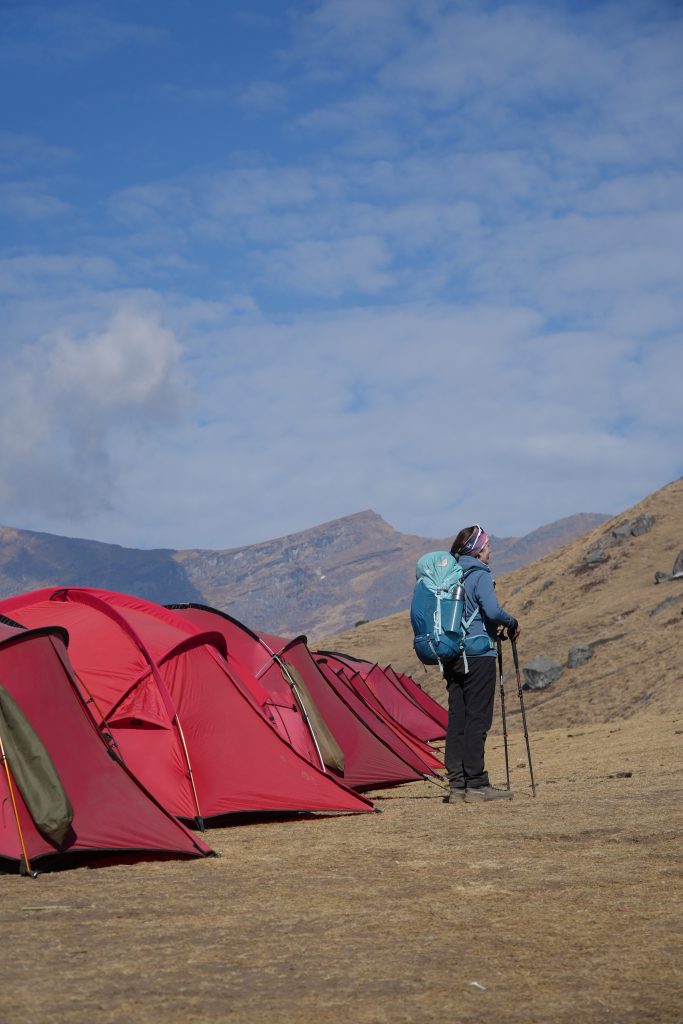
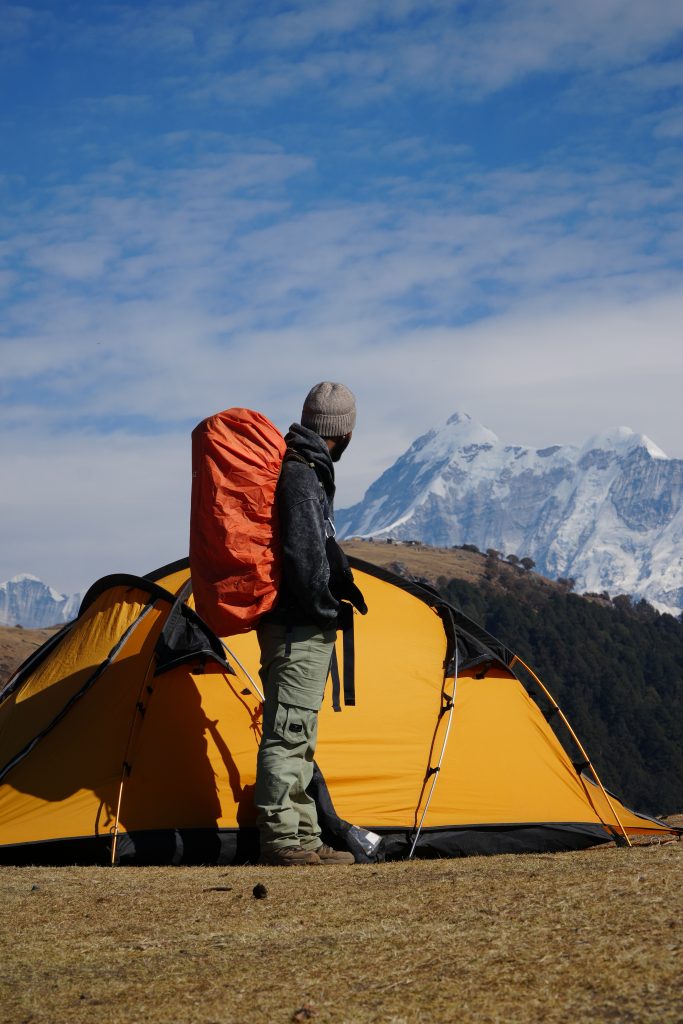
During the trek, we will camp in specific areas designated by the government, and all necessary permits are managed by our team. We provide new, high-quality camping equipment, suitable for sleeping at altitude, including tents, sleeping mats and sleeping bags. Tents are shared by default, but those who prefer a private tent can request one for an extra cost. Camping also includes designated dining and toilet areas, allowing us to enjoy the mountains comfortably while respecting the environment.
The group
At The 108 Peaks, we keep our trekking groups small — from 1 to a maximum of 12 people — because we believe the Himalayas are best experienced in a close, human and respectful atmosphere. Our groups bring together people from different countries, ages, genders and life paths, and this diversity naturally enriches the journey, creating an open and welcoming environment.
We look for participants who don’t just want to complete a trekking route, but who are also curious to listen to local stories, understand the land, and experience, even briefly, what mountain life is really like. We walk through sacred regions, places where it feels as if we are being invited into someone’s home. Respect is essential. We honour it by caring for the land, the culture and the local communities. We work with local teams, pay them fairly, and handle every detail with honesty and responsibility.
We also value a spirit of adaptability. During the trek, you may share rooms, tents or vehicles, and conditions can be simple: limited electricity, limited internet and the natural rhythm of mountain life. If what you’re looking for is adventure, authenticity and respect, then you’re in the right place.

Next step
Before starting this journey–trek, we will get in touch with you to answer any questions you may have. After that, you will receive the payment document along with the cancellation policy. Once you have reviewed everything, you will reserve your spot by making the initial deposit. Next, you will fill out a short form with basic personal and health information.
If needed, we can assist you with how to get to Rishikesh and recommend hotels. For participants coming from outside the country, we can also schedule a video call to help with the visa process, flights, travel insurance, and other logistics. Please note that for foreigners, trekking permits are more expensive, so the final price may be slightly higher.
Participants will receive a detailed gear list specifying what is provided (such as the tent, sleeping bag, sleeping mat, and other shared equipment) and what you need to bring or rent, like a headlamp, trekking poles, hiking boots, or an appropriate jacket.
This preparation support ensures that you feel ready and comfortable throughout the entire experience.
INCLUDES
ACCOMMODATIONS
- From the moment you arrive in Lohajung until the day you leave.
MEALS
- Breakfast, lunch, and dinner are included from the moment you arrive in Lohajung until the moment you leave Lohajung.
- This means that breakfast and lunch on the first day, during the journey to Lohajung, are at your own expense.
- However, the dinner on the first evening, once you arrive in Lohajung, is already included.
TRANSPORT
- Includes transportation from Rishikesh to Lohajung by bus or car, depending on the number of participants. It also covers the transport on the first day of the trek to reach the starting point, and on the last day after finishing the trek. Finally, it includes the return journey from Lohajung back to Rishikesh.
TREKKING
- Trekking and camping permits included.
- Support team: guides, cooks, helpers and mules.
- Individual equipment: tent, sleeping bag, sleeping bag liner, sleeping mat.
- Camping gear: everything required for a self-sufficient camp—dining tent, toilet tents, tables, chairs, kitchen, gas, utensils, lighting…
- Safety equipment: stretcher, oxygen, first aid kit, oxygen saturation monitor.
OUR SERVICES
- Registration assistance: You will receive full guidance to complete your registration smoothly and correctly.
- WhatsApp support group: From the moment you sign up, you’ll have access to a WhatsApp group where we provide direct support, answer questions, and share all important updates.
- Pre-trek preparation support: We help you understand everything you need before starting the Trek: gear, clothing, physical preparation, altitude tips, weather expectations, and logistics.
- Phone call (or video call if needed) for international participants: For trekkers coming from outside India, we offer a call to guide you through essential topics such as how to reach Rishikesh, visa basics, SIM card information, and other practical questions. If necessary, this can be done via video call.
- Language support: Translation and guidance available in English, Spanish, and Catalan, depending on your needs.
- Cultural & practical guidance during the trek: We help you with everyday aspects such as renting gear in Lohajung, understanding local customs, interacting respectfully with mountain communities, and preparing for each trekking day.
- Detailed trekking dossier: You will receive a complete PDF with practical information about the trek, the campsites, the weather, altitude advice, the required gear, and recommendations for your trip.
- Personalized gear checklist: A clear gear list explaining what is provided (tent, sleeping bag, mat, etc.) and what you must bring or rent (headlamp, trekking poles, boots, proper jacket, etc.).
- Photo & video collection
NOT INCLUDED
- Meals during the journey between Rishikesh and Lohajung (both directions).
- Accommodation in Rishikesh before or after the trek.
- Rental of personal gear (such as trekking poles, hiking boots, headlamp, or jackets) that is not provided in the trek package, although we will guide participants on where to buy or rent equipment locally if needed.
- Travel insurance, which is highly recommended and should cover trekking up to 3,600 m (we can advise on suitable options).
- Snacks, drinks, bottled water, or any extra food outside the meals included in the trek plan.
- Laundry services.
- Tips or donations to guides, helpers, or local families.
- Personal expenses of any kind.
- Emergency evacuation charges (if required), or any costs arising from loss, theft, or misplacement of personal belongings.
- Porter or mule charges for carrying personal luggage.
- Any additional expenses caused by unforeseen circumstances, such as natural calamities, weather changes, roadblocks, landslides, delays, or alternate travel arrangements beyond our control.
Scheduled Group Treks
Open group treks with fixed dates that anyone can join. You’ll share the experience with a small international group, following a defined itinerary, with professional guides and all logistics organised in advance.
For detailed budgets and to receive our payment and cancellation conditions, please contact us via WhatsApp at +91 843 978 8212 or by email at the108peaks@gmail.com.
Private & Custom Treks
For solo travellers, couples or private groups. We adapt dates, itinerary, guides and pricing to your needs, creating a fully personalised trekking experience while maintaining the same standards of safety and quality.
For detailed budgets and to receive our payment and cancellation conditions, please contact us via WhatsApp at +91 843 978 8212 or by email at the108peaks@gmail.com.
FAQs
Subscribe our newsletter

